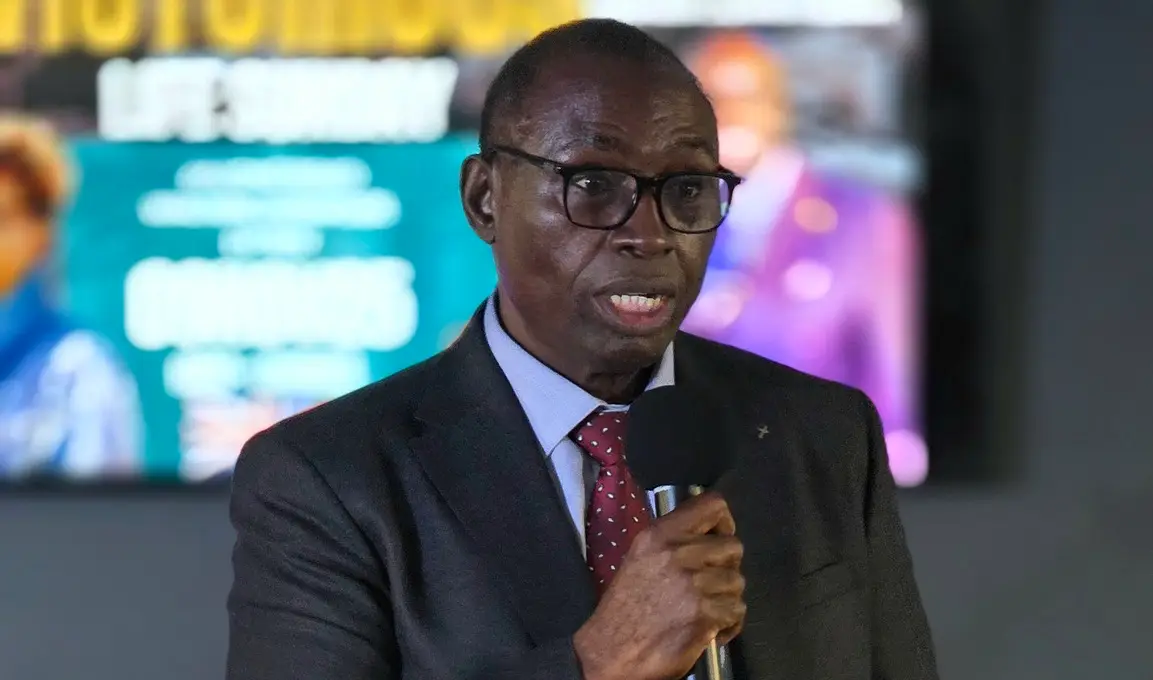
Apostolic Faith Mission (AFM) pastor in an ongoing dispute over the use of church premises, r
By Staff Reporter
|
357
|
February 02, 2026
HARARE - High Court judge Justice Maxwell Takuva has dismissed a preliminary objection raised by a former Apostolic Faith Mission (AFM) pastor in an ongoing dispute over the use of church premises, ruling that the application before the court was properly authorised.
The matter involved the Apostolic Faith Mission in Zimbabwe (AFMZ) as the applicant, and the Apostolic Faith Mission of Zimbabwe together with former pastor Willard Kurida as respondents.
AFMZ, represented by Zvimba Law Chambers, had approached the court seeking a permanent interdict to bar the respondents and their followers from accessing, using, or conducting services and gatherings at its premises.
The church argued that the respondents were unlawfully occupying its property and conducting religious activities without authority.Who is supposed to be the president after Madzivire? I think Chiyangwa was supposed to be president since he was madzivire's deputy, then madawo was supposed to be Chiyangwas deputy for the next 15years or so Chiyangwa achibuda Pau president osiirawo madawo zvichienda zvakaderowas among the pastors who joined the breakaway group.
AFMZ alleged that Kurida continued to conduct church services on AFMZ premises on behalf of the rival institution, despite having no lawful right to do so.
Before the merits of the interdict application could be heard, Kurida’s legal practitioner raised a point in limine, arguing that the application was invalid because the founding affidavit was deposed to by a person who allegedly lacked proper authority.
The respondent, represented by Moyo, Chikono and Gomero, argued that the resolution authorising the litigation was too general, failed to identify the respondents, and did not specify the cause of action.
The applicant opposed the objection, maintaining that the resolution was valid, emanated from the institution, and properly authorised its representative to institute proceedings. AFMZ relied on Supreme Court authority to support its position.
In his analysis, Justice Takuva held that the resolution clearly identified the cause of action as unlawful occupation of the church’s property and that it was not necessary to name the respondents individually.
He found that the cases relied upon by the second respondent were distinguishable from the facts before the court.
“The resolution in casu shows the cause of action… as the unlawful occupation by identified personnel,” Justice Takuva ruled.
“The resolution is not general in that it speaks to illegal occupants of Applicant ’s property. One need not identify by name the parties involved. As regards the cases cited by the second Respondent, I take the view that they are distinguishable from the facts of this matter.”
The court dismissed the point in limine with costs, ordering the second respondent to pay the costs of suit.
The ruling clears the way for the High Court to proceed to hear the substantive application for an interdict against the respondents.as a pastor until his dismissal in 2018.
The dispute arises from a leadership wrangle that rocked the church between 2017 and 2019, which was eventually resolved by the Supreme Court. In judgment SC 67/21, the Supreme Court ruled that Amon Dubie Madawo was the legitimately elected leader of AFMZ.
Following that ruling, a faction led by Cossam Chiangwa broke away from AFMZ and formed a separate church using a similar nameCossam Chiangwa who leads the breakaway faction of the AFM church seen here in Liverpool during a church service (Picture via Facebook – AFMIM Vessels of Honour Liverpool page)
AFMZ told the court that it is a long-established Pentecostal church, founded in Zimbabwe around 1916, and operates as a legal entity with the capacity to own property and litigate in its own name.
Personal Injury Law: What You Need to Know After an Accident
Personal injury law is designed to help accident victims recover compensation after incidents like car accidents, workplace injuries, or medical negligence. When someone is injured due to another party’s actions, they may be entitled to financial recovery for medical bills, lost income, and emotional distress. This makes topics like accident claims, injury compensation, and legal representation highly relevant for people seeking immediate help.
Taking the right steps after an accident can significantly impact the outcome of a case. Gathering evidence, seeking medical attention, and speaking with an experienced personal injury attorney are all critical actions. Many successful claims depend on early intervention, proper documentation, and understanding your legal rights from the beginning.
Artificial Intelligence and Automation Are Reshaping Global Industries
Artificial intelligence and automation technologies are transforming industries across the world at an unprecedented pace. Businesses are using AI-powered systems to automate repetitive tasks, analyze data faster, improve customer service, and increase operational efficiency. Industries including healthcare, banking, transportation, agriculture, and retail are all experiencing major technological changes driven by AI innovation.
AI-powered chatbots, recommendation systems, fraud detection software, and predictive analytics tools are becoming common across digital platforms. Businesses are increasingly investing in machine learning technology to improve decision-making and reduce operating costs. In healthcare, AI systems are assisting doctors with diagnoses, patient monitoring, and medical research.
Automation is also changing the global workforce by reducing the need for some traditional jobs while creating demand for new digital skills. Technology experts encourage workers to focus on cybersecurity, software development, data analysis, and digital marketing skills to remain competitive in evolving job markets.
Despite concerns about job displacement and privacy risks, experts believe artificial intelligence will continue driving economic growth and technological innovation. Governments and businesses are expected to invest heavily in digital infrastructure and workforce training programs over the next decade.