Sunday, May 31

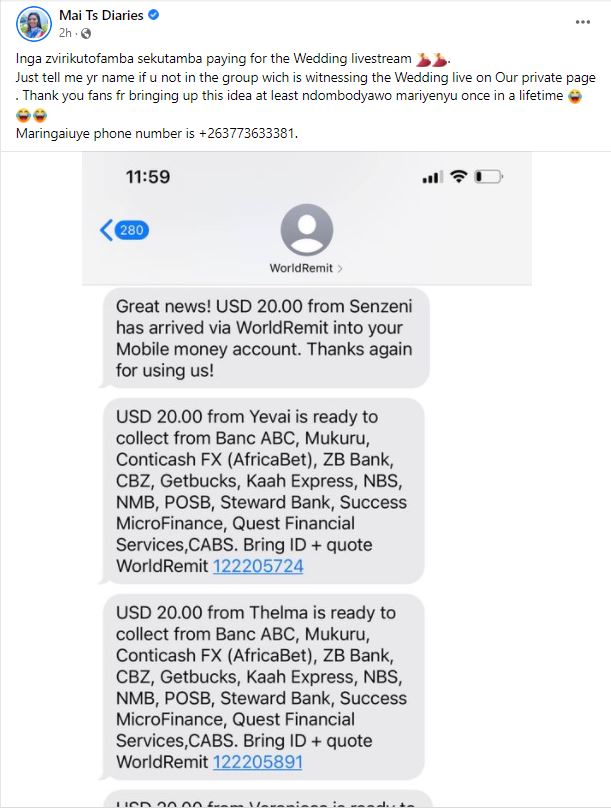
Mai TT & Tinashe Maphosa Turn Their Wedding From Celebration To Business Opportunity Charging People $5 To Watch Their Wedding

Mai TT & Tinashe Maphosa Charging People $5 To Watch Their Wedding. The couple announced that they would live stream the wedding to people who wil pay $5. Mai TT was on a Facebook live when she made the announcement that she will make people pay $5 for the wedding see video below.

  • Share:

Info News

GLP-1 Weight Loss Programs: What to Know Before You Start

GLP-1 Weight Loss Programs: What to Know Before You Start

rnrn

GLP-1 weight loss programs have become one of the most searched topics in health and wellness. Many people are hearing about prescription weight loss medications and wondering if they are the missing piece.

rnrn

But before you sign up for any program, you need to understand what these treatments are, how they work, who they may be for, and why medical supervision matters.

rnrn

GLP-1 medications are not magic. They are medical tools. For the right person, under the right supervision, they may support weight loss. But they should be part of a complete plan that includes nutrition, movement, behavior change, and long-term maintenance.

rnrn

What Is a GLP-1 Weight Loss Program?

rnrn

A GLP-1 weight loss program is usually a medically supervised program that may include prescription medications designed to help with appetite regulation and weight management.

rnrn

These programs may include:

rnrn

Medical consultation
rnHealth history review
rnLab work
rnPrescription evaluation
rnNutrition coaching
rnSide effect monitoring
rnProgress tracking
rnMaintenance planning

rnrn

The NIH states that when lifestyle changes are not enough, health care professionals may prescribe medicines to treat overweight and obesity, and healthy eating and physical activity should continue while taking weight-loss medicine.

rnrn

That last part is important. Medication alone is not the whole plan.

rnrn

How GLP-1 Weight Loss Medications Work

rnrn

GLP-1 medications are related to hormones involved in appetite and blood sugar regulation. In weight management, they may help some people feel full sooner, reduce hunger, and lower food cravings.

rnrn

Some people notice they eat smaller portions without feeling as deprived. Others may find it easier to stop snacking or reduce emotional eating.

rnrn

However, results vary. These medications are not suitable for everyone, and they can have side effects. That is why a legitimate program should involve licensed medical providers.

rnrn

Who May Be a Candidate?

rnrn

A person may be considered for prescription weight loss medication based on weight, BMI, health history, and obesity-related conditions.

rnrn

A medical provider may review:

rnrn

Current weight and BMI
rnBlood pressure
rnBlood sugar history
rnCholesterol
rnMedical conditions
rnMedication history
rnFamily history
rnPast weight loss attempts
rnPregnancy plans
rnDigestive issues
rnPersonal risk factors

rnrn

You should not start prescription weight loss medication without proper medical guidance.

rnrn

What a Quality GLP-1 Program Should Include

rnrn

Not every program is equal. Some are careful and medical. Others are more focused on marketing.

rnrn

A quality program should include:

rnrn

Licensed Medical Providers

rnrn

You should know who is evaluating you and prescribing medication. The provider should review your full health history, not just ask for your weight and payment information.

rnrn

Clear Medication Information

rnrn

A trustworthy program should clearly explain:

rnrn

What medication is being considered
rnWhether it is FDA-approved for your situation
rnHow it is prescribed
rnPossible side effects
rnWhen to seek medical help
rnHow follow-up visits work

rnrn

Nutrition Support

rnrn

GLP-1 medications may reduce appetite, but you still need enough protein, fiber, vitamins, and minerals.

rnrn

A strong program should teach you what to eat, not just tell you to eat less.

rnrn

Exercise Guidance

rnrn

Exercise supports heart health, muscle retention, mobility, and maintenance. The CDC recommends adults get at least 150 minutes per week of moderate-intensity aerobic activity and at least 2 days per week of muscle-strengthening activity.

rnrn

Maintenance Planning

rnrn

One of the biggest questions is what happens later.

rnrn

How long will you stay on medication?

rnrn

What happens if you stop?

rnrn

How will you maintain your results?

rnrn

A good program should discuss this early.

rnrn

Possible Benefits of GLP-1 Weight Loss Programs

rnrn

For qualified patients, a medically supervised GLP-1 program may offer several benefits:

rnrn

Reduced appetite
rnImproved portion control
rnLess food noise
rnStructured medical support
rnBetter consistency
rnProgress tracking
rnImproved confidence
rnSupport for obesity-related health goals

rnrn

However, benefits are not guaranteed. Weight loss depends on many factors, including diet, activity, medication response, sleep, stress, and medical history.

rnrn

Possible Side Effects and Safety Considerations

rnrn

GLP-1 medications can cause side effects. Commonly reported issues may include nausea, digestive discomfort, constipation, diarrhea, vomiting, or reduced appetite.

rnrn

Some people may not tolerate these medications well. Others may need dose adjustments or may not be candidates at all.

rnrn

Seek medical guidance immediately if you experience severe symptoms or unusual reactions.

rnrn

Do not buy unapproved weight loss drugs online. The FDA has warned companies in the past for selling unapproved versions of GLP-1-related products, including products marketed in misleading ways.

rnrn

How Much Do GLP-1 Weight Loss Programs Cost?

rnrn

Costs vary widely.

rnrn

The price may depend on:

rnrn

Whether insurance covers the medication
rnThe specific prescription
rnProvider fees
rnLab work
rnFollow-up visits
rnCoaching support
rnOnline or in-person care
rnProgram length

rnrn

Some programs charge monthly fees. Others bill separately for doctor visits, labs, and medication.

rnrn

Before signing up, ask:

rnrn

Is the medication included?
rnAre labs included?
rnIs insurance accepted?
rnAre there cancellation fees?
rnHow often are follow-ups?
rnWho do I contact for side effects?
rnWhat happens if the medication is unavailable?

rnrn

GLP-1 Program Without Insurance

rnrn

Many people search for weight loss programs without insurance because coverage can be limited.

rnrn

If you do not have insurance, compare programs carefully. Look at the full cost, not just the advertised starting price.

rnrn

A lower monthly price may not include medication. A higher price may include coaching, medical visits, and ongoing support.

rnrn

Be cautious with any company that avoids clear pricing.

rnrn

GLP-1 Medication and Diet

rnrn

Even when appetite decreases, nutrition matters.

rnrn

A smart eating plan may include:

rnrn

Protein at each meal
rnVegetables daily
rnFiber-rich carbohydrates
rnHealthy fats in moderate portions
rnWater throughout the day
rnSmaller meals if nausea occurs
rnLimited alcohol and sugary drinks

rnrn

Because appetite may be lower, every meal should count. You do not want to lose weight by undernourishing your body.

rnrn

GLP-1 Medication and Exercise

rnrn

Strength training is especially important during weight loss. When you lose weight, you want to protect lean muscle as much as possible.

rnrn

A simple weekly plan may include:

rnrn

Walking 5 days per week
rnStrength training 2 or 3 days per week
rnStretching or mobility work
rnGradual step increases
rnLight activity after meals

rnrn

You do not need to train like an athlete. You need a routine you can repeat.

rnrn

Red Flags to Avoid

rnrn

Avoid any GLP-1 weight loss program that:

rnrn

Does not use licensed medical providers
rnPromises guaranteed results
rnSells mystery medication
rnAvoids discussing side effects
rnDoes not review your health history
rnPressures you to buy immediately
rnOffers no follow-up care
rnDoes not explain whether medication is FDA-approved
rnSells “research use” products for human weight loss

rnrn

Your health is worth more than a quick discount.

rnrn

Final Thoughts

rnrn

GLP-1 weight loss programs may be helpful for some people, but they should be handled carefully. The safest approach is medical supervision, clear pricing, real follow-up, and a full lifestyle plan.

rnrn

Medication can support weight loss, but long-term success still depends on habits.

rnrn

Eat better. Move consistently. Sleep well. Manage stress. Work with qualified professionals.

rnrn

That is how a weight loss program becomes more than a temporary fix.

rn

First Offense DUI Lawyer: What Happens After a First DUI Charge?

first offense DUI lawyer, first DUI attorney, first DUI charge, first time DUI lawyer, DUI first offense penalties, drunk driving first offense

rnrn

First Offense DUI Lawyer: What Happens After a First DUI Charge?

rnrn

A first DUI arrest can be frightening, especially if you have never been in trouble before. You may worry about jail, losing your license, your job, your insurance, and whether you will have a permanent criminal record.

rnrn

A first offense DUI lawyer can explain what happens next and help you avoid mistakes that may make the situation worse.

rnrn

Even a first DUI can carry serious consequences. Do not assume the court will automatically go easy because it is your first arrest.

rnrn

Is a First DUI a Criminal Charge?

rnrn

In many states, a first DUI is a misdemeanor, but that does not mean it is minor.

rnrn

A conviction may lead to:

rnrn

Fines
rnCourt costs
rnProbation
rnAlcohol education classes
rnLicense suspension
rnIgnition interlock device
rnCommunity service
rnJail exposure
rnCriminal record
rnHigher insurance premiums

rnrn

Penalties vary by state and by facts such as blood alcohol level, accident involvement, refusal to test, injuries, minors in the vehicle, and prior history.

rnrn

What Happens After the Arrest?

rnrn

A first DUI case may involve two separate tracks.

rnrn

Criminal Court Case

rnrn

This is where the DUI charge is handled. The court may address guilt, innocence, plea options, sentencing, probation, and other penalties.

rnrn

Driver’s License Case

rnrn

The license issue may be handled separately through the motor vehicle agency or administrative hearing process.

rnrn

This is important because you may have a short deadline to request a license hearing.

rnrn

Why You Should Act Quickly

rnrn

After a DUI arrest, deadlines may come fast.

rnrn

You may need to:

rnrn

Request an administrative hearing
rnAppear in court
rnPreserve video evidence
rnObtain police reports
rnReview test results
rnEnroll in required programs
rnAvoid license suspension mistakes

rnrn

Missing a deadline can limit your options.

rnrn

Can a First DUI Be Dismissed?

rnrn

Sometimes charges are dismissed, reduced, or resolved in a different way, but it depends on the facts and the law.

rnrn

Possible defense issues include:

rnrn

Illegal traffic stop
rnNo probable cause for arrest
rnImproper field sobriety testing
rnBreath test problems
rnBlood test chain-of-custody issues
rnMedical conditions affecting results
rnOfficer procedure errors
rnLack of proof of impairment

rnrn

A lawyer must review the evidence before giving realistic guidance.

rnrn

What About Breath Test Results?

rnrn

Breath test evidence can be important, but it is not always perfect.

rnrn

A DUI lawyer may review:

rnrn

Machine calibration
rnMaintenance records
rnOfficer certification
rnObservation period
rnMouth alcohol issues
rnTesting procedure
rnTiming of the test
rnBreath sample quality

rnrn

The legal blood alcohol concentration limit is commonly .08 in many U.S. jurisdictions, but state law can vary and additional rules may apply for commercial drivers, underage drivers, and high-BAC cases. NHTSA provides national drunk-driving safety resources and state-focused impaired-driving guidance.

rnrn

What If You Refused a Breath or Blood Test?

rnrn

Refusal can create additional consequences, especially for your license.

rnrn

Many states have implied consent laws. That means drivers may face license penalties for refusing chemical testing after a lawful DUI arrest.

rnrn

A lawyer can help review whether the refusal was legally valid and what defenses may apply.

rnrn

Will You Need an Ignition Interlock?

rnrn

An ignition interlock device may be required in some DUI cases. NHTSA explains that an alcohol ignition interlock prevents a vehicle from starting or operating unless the driver provides a breath sample below a preset level, often used as a condition for driving after alcohol-related offenses.

rnrn

Rules vary by state, offense level, and court order.

rnrn

Can You Drive After a First DUI?

rnrn

Maybe, but it depends on your state, license status, administrative deadlines, and whether you qualify for restricted driving privileges.

rnrn

A lawyer can help you understand:

rnrn

Whether your license is suspended
rnWhether you can request a hearing
rnWhether temporary driving privileges apply
rnWhether you need an interlock
rnWhether you qualify for a hardship license

rnrn

Do not guess. Driving on a suspended license can create new charges.

rnrn

Final Thoughts

rnrn

A first DUI is serious, but it is also a situation where early action matters.

rnrn

A first offense DUI lawyer can review the stop, test results, police reports, license deadlines, and court options. The goal is to protect your rights and reduce avoidable damage to your future.

rn