Sunday, May 31

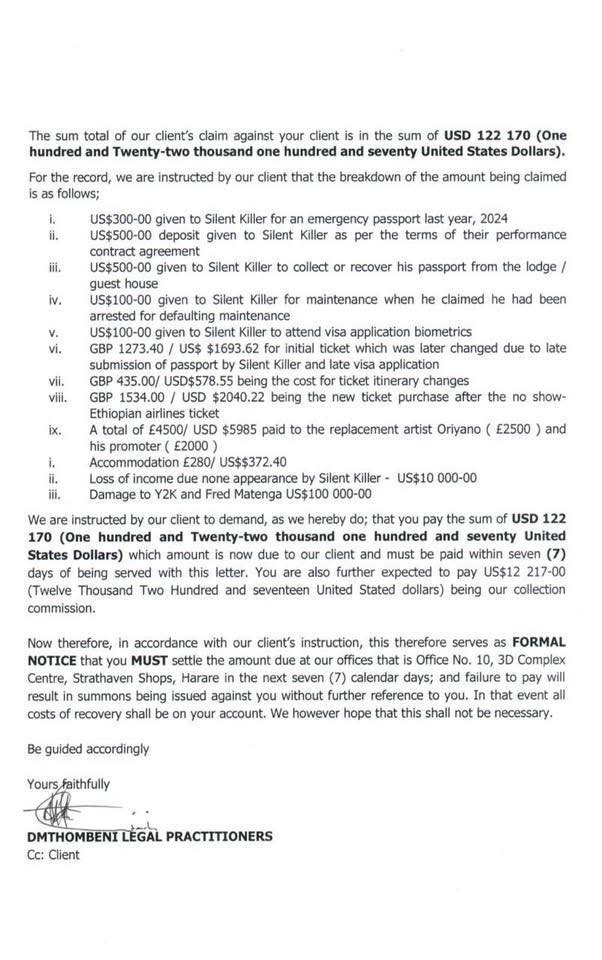
Y2K Promotions Irikuda USD 122K From Silent Killer Wakaramba Kukwira Ndege Kuuya KuShow Ku UK

Y2K Promotions Irikuda USD 122K From Silent Killer Wakaramba Kukwira Ndege Kuuya KuShow Ku UKY2K Entertainment the organizers of SAMA Festival in Uk are making demands for USD$122K from musician Silent Killer (To be paid in 7 Days) for alleged breach of contract, loss of income & damage to their reputation.

  • Share:

Info News

DUI Penalties: Fines, License Suspension, Jail, Insurance, and Ignition Interlock

DUI penalties, DUI consequences, drunk driving penalties, DUI license suspension, ignition interlock DUI, DUI fines, DUI jail time

rnrn

DUI Penalties: What a Conviction Can Mean

rnrn

A DUI conviction can affect far more than one night of bad judgment.

rnrn

Depending on the state and facts, DUI penalties may include fines, court costs, license suspension, probation, jail, ignition interlock, alcohol education classes, community service, and higher insurance rates.

rnrn

The exact penalties depend on local law, prior record, blood alcohol level, accident involvement, injuries, refusal, and whether children were in the vehicle.

rnrn

Criminal Penalties

rnrn

Criminal DUI penalties may include:

rnrn

Jail time
rnProbation
rnFines
rnCourt costs
rnCommunity service
rnAlcohol treatment
rnVictim impact panel
rnSupervised release
rnCriminal record

rnrn

A first offense may be treated differently from a second or third offense, but even a first offense can be serious.

rnrn

License Suspension

rnrn

A DUI can trigger license consequences through the court, the motor vehicle agency, or both.

rnrn

License issues may involve:

rnrn

Administrative suspension
rnCourt-ordered suspension
rnRestricted license
rnHardship license
rnIgnition interlock requirement
rnReinstatement fees
rnProof of insurance
rnDriving test or requirements

rnrn

Deadlines matter. You may need to request a hearing quickly after arrest.

rnrn

Ignition Interlock Device

rnrn

An ignition interlock device is installed in a vehicle and requires a breath sample before the vehicle starts. NHTSA explains that interlocks are often used as a condition of probation or license reinstatement for DWI offenders.

rnrn

Costs may include:

rnrn

Installation fee
rnMonthly monitoring fee
rnCalibration fee
rnRemoval fee
rnViolation fees

rnrn

Rules vary by state.

rnrn

DUI and Car Insurance

rnrn

A DUI may cause insurance premiums to rise significantly. Some drivers may be required to file proof of financial responsibility, often called SR-22 or FR-44 depending on the state.

rnrn

Insurance consequences may last for years.

rnrn

Employment Consequences

rnrn

A DUI can affect employment, especially for people who:

rnrn

Drive for work
rnHold a commercial driver’s license
rnWork in public safety
rnHold a professional license
rnNeed security clearance
rnWork with children
rnHave employer conduct policies

rnrn

Some employers require reporting of arrests or convictions.

rnrn

Professional License Consequences

rnrn

A DUI may affect licensed professionals, including:

rnrn

Nurses
rnDoctors
rnPilots
rnTeachers
rnLaw enforcement officers
rnCommercial drivers
rnLawyers
rnReal estate professionals
rnFinancial professionals

rnrn

Reporting requirements depend on the profession and licensing board.

rnrn

Immigration Consequences

rnrn

For noncitizens, criminal charges can create immigration concerns. A DUI may become more serious if it involves drugs, injury, child endangerment, repeat offenses, or other aggravating factors.

rnrn

Noncitizens should speak with both a criminal defense lawyer and an immigration attorney before accepting any plea.

rnrn

Repeat DUI Penalties

rnrn

Repeat DUI charges usually carry harsher consequences.

rnrn

Possible enhanced penalties may include:

rnrn

Longer license suspension
rnMandatory jail
rnHigher fines
rnLonger probation
rnFelony charges
rnVehicle restrictions
rnIgnition interlock
rnTreatment requirements

rnrn

State laws differ, and prior convictions may count differently depending on timing.

rnrn

Final Thoughts

rnrn

DUI penalties can affect your freedom, license, money, job, insurance, and future.

rnrn

A DUI lawyer can help explain what penalties apply in your state, what deadlines matter, and whether the evidence can be challenged.

rnrn

Do not treat a DUI as just a traffic ticket. It is a criminal charge with real consequences.

rn

Class Action Settlement: How Claims, Payments, and Deadlines Work

class action settlement, settlement claim form, class action payment, class action settlement check, settlement administrator, class action deadline

rnrn

Class Action Settlement: How Claims, Payments, and Deadlines Work

rnrn

A class action settlement can be confusing. You may receive a notice saying you are eligible for money, credit, identity monitoring, repairs, or another benefit.

rnrn

But what does it actually mean?

rnrn

Do you have to file a claim?

rnrn

When will payment arrive?

rnrn

What happens if you do nothing?

rnrn

Understanding the settlement process helps you avoid missing deadlines or giving up rights without realizing it.

rnrn

What Is a Class Action Settlement?

rnrn

A class action settlement is an agreement to resolve a lawsuit brought on behalf of a group.

rnrn

The company may agree to provide compensation or other relief, while often denying wrongdoing.

rnrn

The settlement usually needs court approval. The court reviews whether the settlement is fair, reasonable, and adequate for the class.

rnrn

What Is a Settlement Notice?

rnrn

A settlement notice explains your rights.

rnrn

It may arrive by:

rnrn

Email
rnPostcard
rnLetter
rnWebsite notice
rnOnline ad
rnPublication notice

rnrn

The notice usually explains:

rnrn

Who is included
rnWhat the lawsuit claimed
rnWhat the settlement provides
rnHow to file a claim
rnHow to opt out
rnHow to object
rnDeadlines
rnHearing date
rnContact information

rnrn

Read it carefully.

rnrn

What Is a Claim Form?

rnrn

A claim form is the document you submit to request settlement benefits.

rnrn

It may ask for:

rnrn

Name
rnAddress
rnEmail
rnPhone number
rnProof of purchase
rnAccount number
rnTransaction dates
rnLoss amount
rnPayment preference
rnSignature or certification

rnrn

Only submit accurate information.

rnrn

Do You Always Need Proof?

rnrn

Not always.

rnrn

Some settlements require documentation. Others allow claims without proof, but payments may be smaller.

rnrn

Examples of proof include:

rnrn

Receipts
rnInvoices
rnBank statements
rnEmails
rnProduct serial numbers
rnRepair records
rnScreenshots
rnAccount records

rnrn

If you have proof, submit it when allowed.

rnrn

How Are Payments Calculated?

rnrn

Payments may depend on:

rnrn

Settlement fund size
rnNumber of valid claims
rnDocumented losses
rnPlan of allocation
rnAdministrative costs
rnAttorney fees
rnCourt-approved deductions
rnClaim category

rnrn

Sometimes advertised payment amounts are only estimates. If many people file claims, individual payments may be lower.

rnrn

Why Payments Take Time

rnrn

Class action payments may take months or longer.

rnrn

Reasons include:

rnrn

Court approval process
rnObjection period
rnAppeals
rnClaim review
rnFraud screening
rnAddress verification
rnPayment processing
rnSecond distribution planning

rnrn

The FTC explains that when possible it uses money collected from defendants to provide refunds, and remaining funds may sometimes support a second round of payments.

rnrn

What Does It Mean to Opt Out?

rnrn

Opting out means you exclude yourself from the settlement.

rnrn

If you opt out:

rnrn

You usually receive no settlement benefit
rnYou may keep the right to sue separately
rnYou must follow the opt-out instructions
rnYou must meet the deadline

rnrn

People with large individual damages should consider legal advice before deciding.

rnrn

What Does It Mean to Object?

rnrn

Objecting means you stay in the class but tell the court you disagree with part of the settlement.

rnrn

You may object to:

rnrn

Settlement amount
rnAttorney fees
rnRelease terms
rnClaim process
rnNotice method
rnPayment formula

rnrn

Objecting is different from opting out.

rnrn

What Happens If You Do Nothing?

rnrn

Doing nothing may mean:

rnrn

You receive no payment
rnYou remain bound by the settlement
rnYou give up rights to sue separately
rnYou lose the chance to object or opt out

rnrn

This depends on the notice. Always read the specific instructions.

rnrn

How to Avoid Settlement Scams

rnrn

Scammers often copy the language of real settlements.

rnrn

Be careful if someone:

rnrn

Asks you to pay to receive money
rnPromises guaranteed payment
rnDemands gift cards or wire transfers
rnThreatens legal action
rnRequests unnecessary sensitive information
rnUses a fake website
rnClaims special access

rnrn

The FTC warns that it never asks people to pay to file a claim or get a refund.

rnrn

Final Thoughts

rnrn

A class action settlement can provide money or other benefits, but deadlines matter.

rnrn

Read the notice. Confirm the website is official. File a claim if required. Keep records. Be careful with scams.

rnrn

And before opting out or signing away important rights, consider speaking with a qualified attorney.

rn