Sunday, May 31

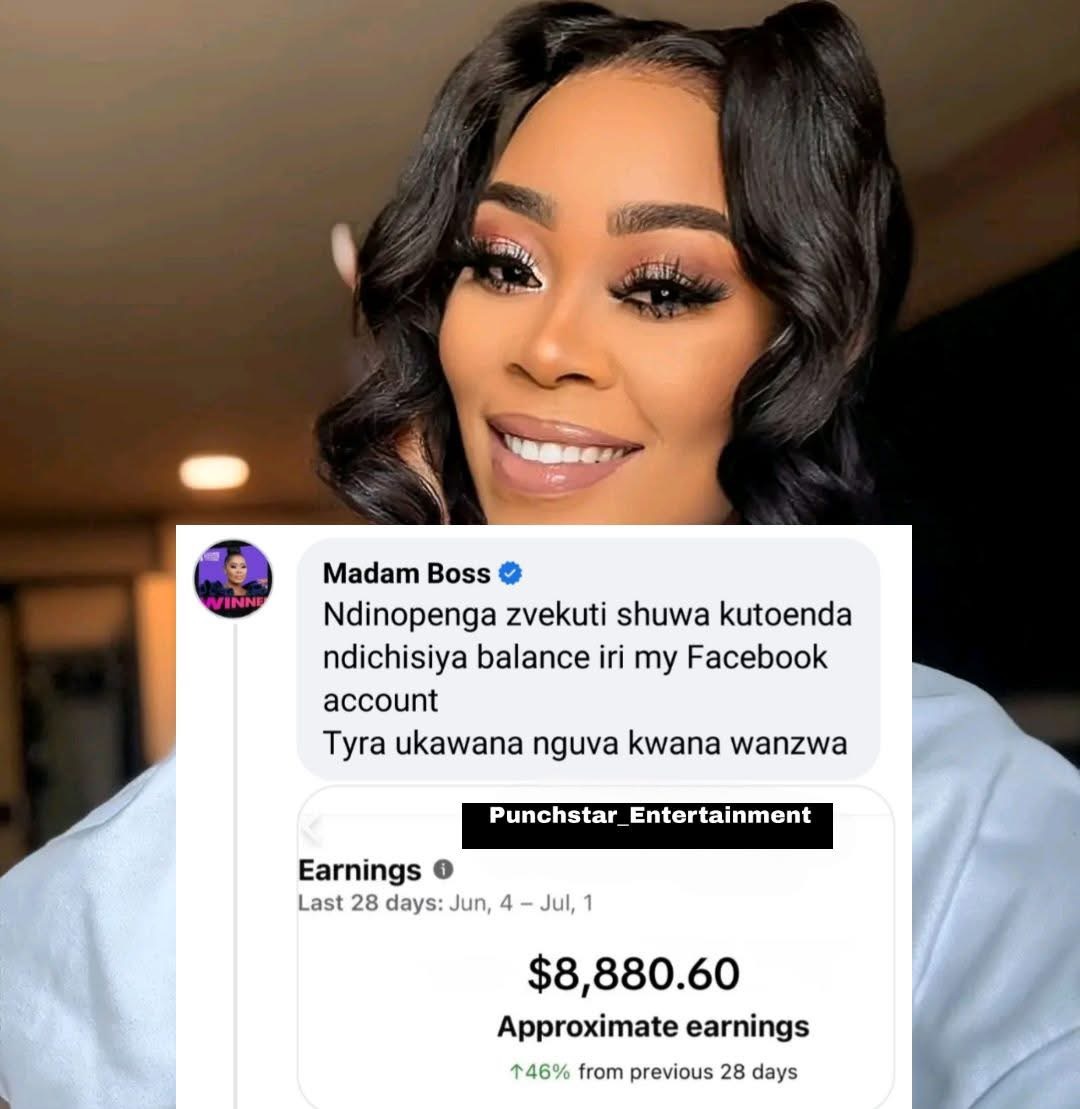
Zimbabwe's Richest Female Comedian, Madam Boss, Reveals Her Monthly Earnings

Zimbabwe's Richest Female Comedian, Madam Boss, Reveals Her Monthly Earnings on Facebook, Totalling Approximately $8,880.60(USD)

  • Share:

Info News

Drug Rehab Treatment Centers: How to Choose the Right Program

Choosing a drug rehab treatment center is an important decision for individuals and families facing substance use challenges. The right program can provide structure, support, therapy, and recovery planning. However, not every treatment center is the same, so it is important to understand what to compare.

rnrn

Drug rehab programs may include inpatient treatment, residential treatment, partial hospitalization, intensive outpatient care, standard outpatient care, and aftercare support. The best level of care depends on the person’s substance use history, health needs, home environment, mental health concerns, and risk of relapse.

rnrn

Inpatient or residential treatment usually provides 24-hour support in a structured setting. This may be helpful for people who need a stable environment away from triggers. Outpatient treatment allows people to live at home while attending scheduled therapy sessions. This may work better for people with strong support systems and less severe needs.

rnrn

Medical detox may be needed for some substances. Detox should be supervised by qualified medical professionals because withdrawal can be uncomfortable and sometimes dangerous. Detox alone is usually not a complete treatment plan; it is often the first step before therapy and long-term recovery work.

rnrn

A quality treatment center should offer individualized care. Addiction recovery is not one-size-fits-all. Treatment may include individual counseling, group therapy, family therapy, relapse prevention planning, medication-assisted treatment when appropriate, and mental health support.

rnrn

Licensing and accreditation matter. Families should ask whether the facility is licensed in its state and whether staff members are qualified. It is also important to ask about treatment methods, patient safety, staff-to-client ratio, and emergency procedures.

rnrn

Cost is another factor. Some rehab centers accept insurance, while others require private payment. Before admission, ask for a clear explanation of costs, insurance coverage, out-of-pocket expenses, and refund policies.

rnrn

Location can also matter. Some people benefit from being close to family. Others may need distance from unhealthy environments. The right decision depends on the person’s support system and recovery goals.

rnrn

Aftercare is one of the most important parts of treatment. Recovery does not end when a program is completed. A strong discharge plan may include outpatient therapy, support groups, sober living, relapse prevention strategies, and follow-up appointments.

rnrn

This article is for general information only and is not medical advice. Anyone facing substance use concerns should speak with a qualified healthcare or addiction treatment professional.

rn

Medicare Part D Plans: How Prescription Drug Coverage Works

Medicare Part D plans, prescription drug plans, Medicare drug coverage, Part D cost, Medicare prescription coverage, best Medicare Part D plan

rnrn

Medicare Part D Plans: Prescription Drug Coverage Explained

rnrn

Prescription drug costs can be one of the biggest concerns for people on Medicare.

rnrn

Medicare Part D helps pay for prescription medications. It is offered by private companies approved by Medicare.

rnrn

Medicare says Part D helps pay for brand-name and generic drugs, and it is optional coverage available to everyone with Medicare.

rnrn

Who Needs Medicare Part D?

rnrn

You may need Part D if you have Original Medicare and want prescription drug coverage.

rnrn

You may also receive drug coverage through a Medicare Advantage plan that includes Part D.

rnrn

Even if you do not take prescriptions now, Medicare says you should consider drug coverage to avoid a possible late enrollment penalty if you join later without creditable coverage.

rnrn

What Do Part D Plans Cover?

rnrn

Part D plans cover prescription medications, but each plan has its own formulary.

rnrn

A formulary is the list of covered drugs.

rnrn

Plans may organize drugs into tiers such as:

rnrn

Preferred generic
rnGeneric
rnPreferred brand
rnNon-preferred brand
rnSpecialty drugs

rnrn

The tier affects your cost.

rnrn

What to Check Before Choosing a Part D Plan

rnrn

Your Exact Medications

rnrn

List every medication, including:

rnrn

Drug name
rnDosage
rnQuantity
rnFrequency
rnPreferred pharmacy
rnGeneric or brand preference

rnrn

Small differences can change your annual cost.

rnrn

Pharmacy Network

rnrn

Some plans have preferred pharmacies where your cost may be lower.

rnrn

Check:

rnrn

Retail pharmacy pricing
rnPreferred pharmacy pricing
rnMail-order options
rnOut-of-network pharmacy rules

rnrn

Restrictions

rnrn

A plan may require:

rnrn

Prior authorization
rnStep therapy
rnQuantity limits

rnrn

These rules can affect access and cost.

rnrn

2026 Part D Out-of-Pocket Cap

rnrn

For 2026, Medicare says yearly out-of-pocket costs for Part D-covered prescription drugs are capped at $2,100. Once that cap is reached, you do not pay copayments or coinsurance for covered Part D drugs for the rest of the calendar year.

rnrn

This is important for people with expensive medications.

rnrn

Part D Late Enrollment Penalty

rnrn

If you go without Part D or other creditable prescription drug coverage for too long after becoming eligible, you may owe a late enrollment penalty.

rnrn

Medicare says the 2026 late enrollment penalty is calculated using 1% of the national base beneficiary premium, which is $38.99 in 2026, multiplied by the number of full uncovered months.

rnrn

Extra Help for Drug Costs

rnrn

Extra Help is a Medicare program for people with limited income and resources. It helps pay Part D premiums, deductibles, coinsurance, and other costs. Medicare says people receiving Extra Help also do not pay a Part D late enrollment penalty while they have Extra Help.

rnrn

Common Part D Mistakes

rnrn

Avoid:

rnrn

Choosing by premium only
rnNot checking your exact medications
rnIgnoring preferred pharmacy pricing
rnMissing enrollment deadlines
rnAssuming all plans cover all drugs
rnNot reviewing the plan each year
rnIgnoring prior authorization rules
rnFailing to apply for Extra Help if eligible

rnrn

How Often Should You Review Your Part D Plan?

rnrn

Review your Part D plan every year.

rnrn

Plans can change:

rnrn

Premiums
rnDeductibles
rnFormularies
rnDrug tiers
rnPharmacy networks
rnRestrictions
rnCopays

rnrn

Even if your plan worked last year, it may not be the best choice next year.

rnrn

Final Thoughts

rnrn

Medicare Part D can help reduce prescription drug costs, but the right plan depends on your medications and pharmacy.

rnrn

Before enrolling, compare formularies, drug tiers, pharmacy pricing, deductibles, and total annual cost.

rnrn

The best Part D plan is not always the cheapest monthly premium. It is the one that lowers your real prescription costs.

rn